
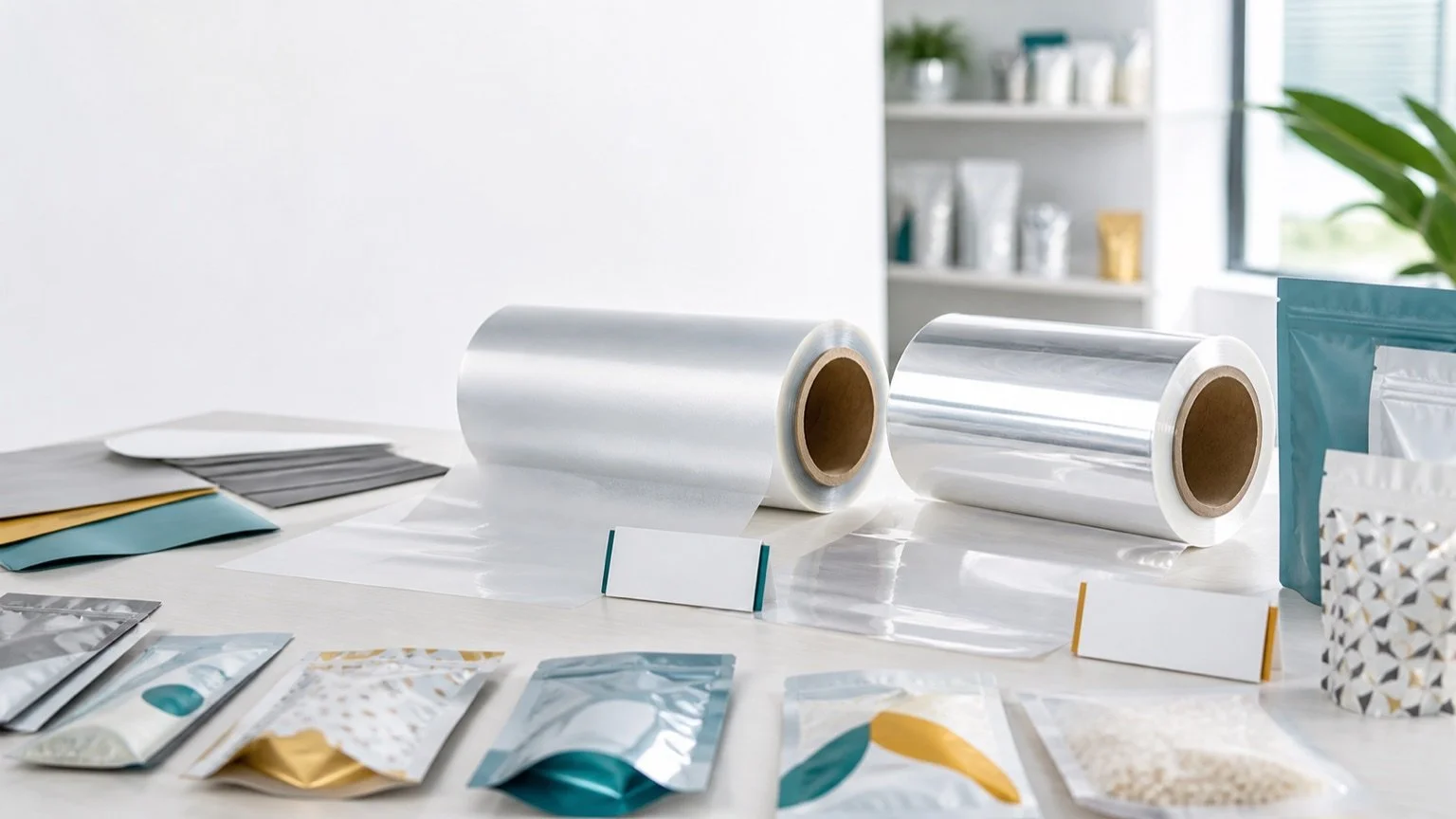
“Can you quote plastic film?” sounds simple. For packaging suppliers, it is usually not enough.
PE film and CPP film can both be used in flexible packaging, but they are not interchangeable in every project. The right choice depends on the product, packing machine, sealing method, printing requirement, appearance target, and budget.
For buyers, the goal is not to memorize polymer chemistry. The goal is to ask better questions before ordering, so the packaging runs properly, looks consistent, and avoids avoidable sourcing problems.
Key takeaway: PE vs CPP film is not a one-size-fits-all decision. It should be confirmed around the product and packing process.
PE vs CPP Film: Why Buyers Should Care
Film selection affects more than material cost.
It can influence:
Pack feel
Film stiffness
Transparency
Heat sealing behavior
Printing result
Roll film performance
Bag-making quality
Packing machine stability
Product appearance on shelf
A quote that only says “plastic film” is too vague. Buyers should ask for the actual material structure, thickness, printing method, and packing format.
What Is PE Film in Flexible Packaging?
PE film, short for polyethylene film, is widely used in flexible packaging. Buyers often discuss PE film when they need packaging with practical sealing performance, flexible handling, or cost-sensitive structures.
In B2B packaging projects, PE film may appear in:
Printed roll film
Inner packaging
Laminated flexible packaging structures
The exact performance depends on the PE grade, thickness, processing method, and whether it is used alone or as part of a laminate.
What Is CPP Film in Flexible Packaging?
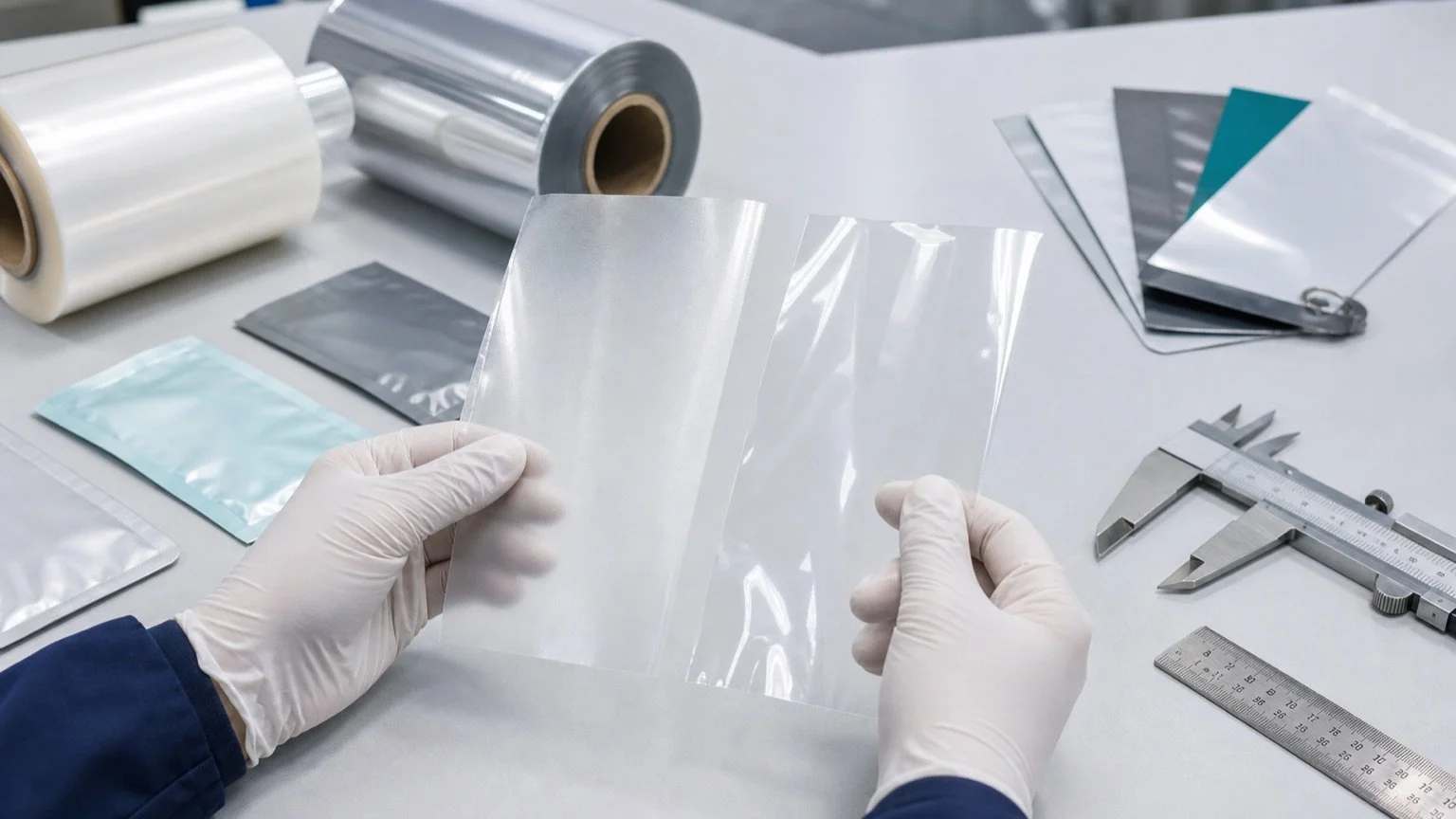
CPP film, short for cast polypropylene film, is another common flexible packaging film. Buyers may consider CPP film when appearance, clarity, gloss, stiffness, or specific packaging feel matters.
CPP film may be used in:
Printed flexible packaging
Laminated packaging structures
Retail product packaging
Bags or roll film
Food or non-food packaging applications, depending on structure and compliance
Like PE film, CPP film performance depends on grade, thickness, treatment, and final packaging structure.
Use only if accurate / verified: Do not claim CPP is suitable for a specific food, hygiene, or regulatory application unless the exact material and compliance documents are confirmed.
PE Film vs CPP Film: Practical Buyer Comparison
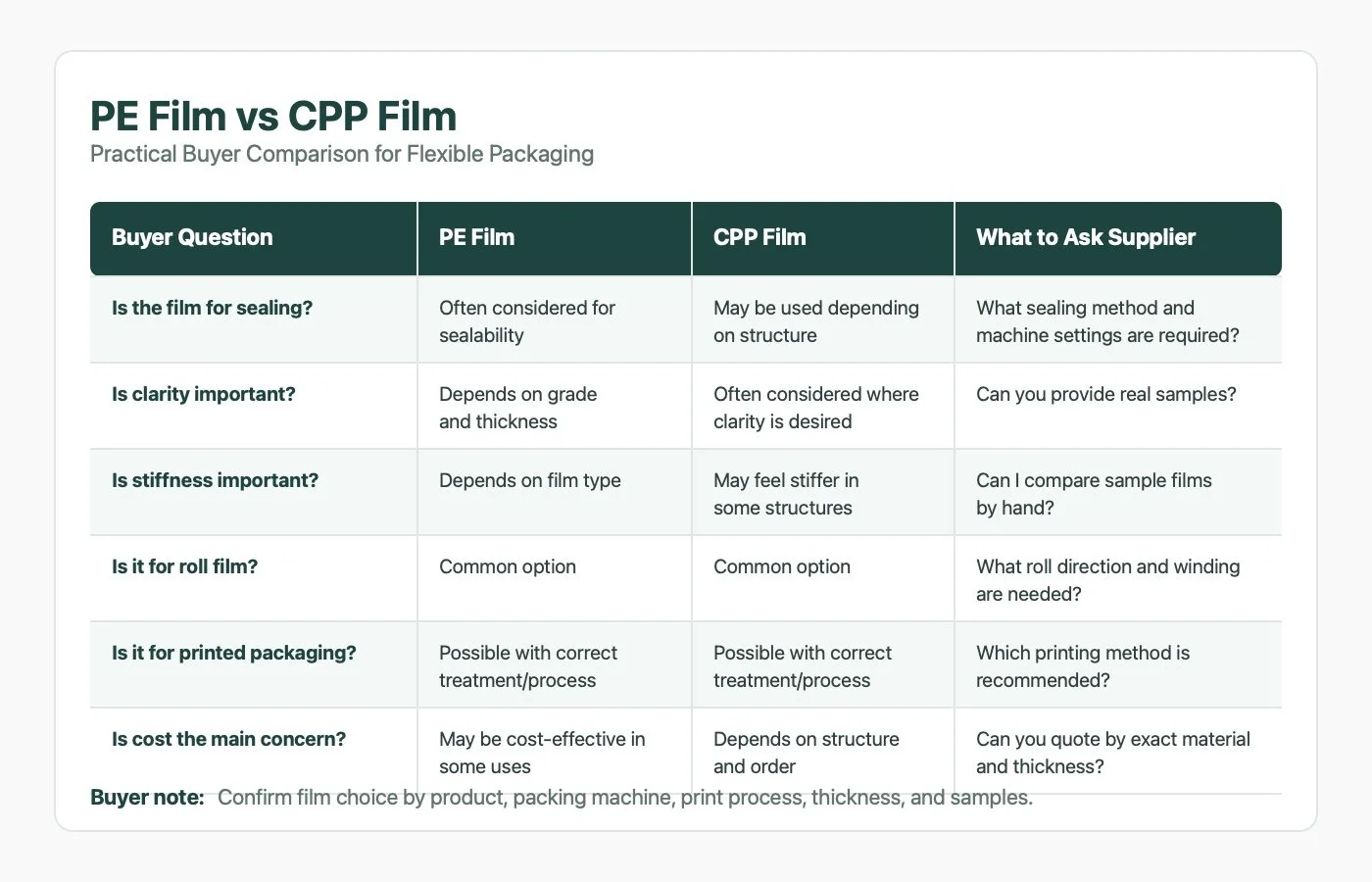
This table should be used as a sourcing guide, not a final technical specification. The supplier should confirm the film based on your product and production conditions.
PE vs CPP Film for Printed Flexible Packaging
Printing changes the conversation.
For custom printed packaging, buyers should confirm:
Gravure printing or flexographic printing
Number of colors
Artwork file format
Color reference method
Surface treatment requirements
Ink adhesion requirements
Film thickness
Roll direction
Sample approval process
A film that looks acceptable before printing may behave differently after printing, lamination, slitting, or bag making. This is why sample approval matters.
Key takeaway: for printed packaging, film choice and print process should be discussed together.
PE vs CPP Film for Tissue and Hygiene Packaging
Tissue and hygiene packaging buyers often care about pack feel, print appearance, sealing, and production stability.
Before choosing PE or CPP film, confirm:
Product type: tissue, wipes, napkins, hygiene products, or other goods
Manual packing or automatic packing
Required pack softness or stiffness
Film thickness target
Print design and color count
Sealing area
Carton packing method
Export shipping requirements
If the packaging runs on automatic equipment, buyers should not approve material only from photos. A physical sample or machine test is much more useful.
Common Buyer Mistakes When Choosing PE or CPP Film
Avoid these mistakes:
Comparing prices without matching thickness
Asking for “the cheapest film” before confirming application
Ignoring packing machine requirements
Approving artwork before confirming film size
Forgetting roll direction
Not checking color consistency expectations
Skipping sample approval
Treating PE and CPP as automatically interchangeable
Accepting vague quotes without material structure
Small mistakes at specification stage can become expensive once bulk production starts.
What to Send Your Supplier Before Asking for a Quote
A good RFQ helps the supplier recommend the right film faster.
Send:
Product name and product type
Pack size
Current packaging sample, if available
Film type and thickness, if known
Roll film or finished bag format
Printing colors
Artwork file
Packing machine details
Sealing method
Order quantity
Destination country
Carton packing requirements
Expected reorder plan
For procurement teams, this also makes supplier comparison more accurate.
JECPACK Pro Tip: Ask for a Film Recommendation, Not Just a Price
Instead of asking, “How much is PE film?” ask:
“Based on this product, pack size, machine type, print design, and order quantity, which film structure do you recommend and why?”
This forces the supplier to connect the quote to the real packaging job. It also reveals whether the supplier understands your application or is only quoting a generic material.
Need Help Choosing PE or CPP Film?
Choosing between PE film and CPP film is easier when the supplier understands your product, packing machine, print design, and order requirements.
Jecpack helps B2B buyers review flexible packaging specifications before production, including film structure, thickness, printing method, roll direction, sample approval, and quotation details.
If you are comparing PE film, CPP film, or other custom flexible packaging options, send us your product details, pack size, artwork, and target quantity. Our team can help you check the key points before you move forward.
Buyer Checklist: Choosing PE or CPP Film
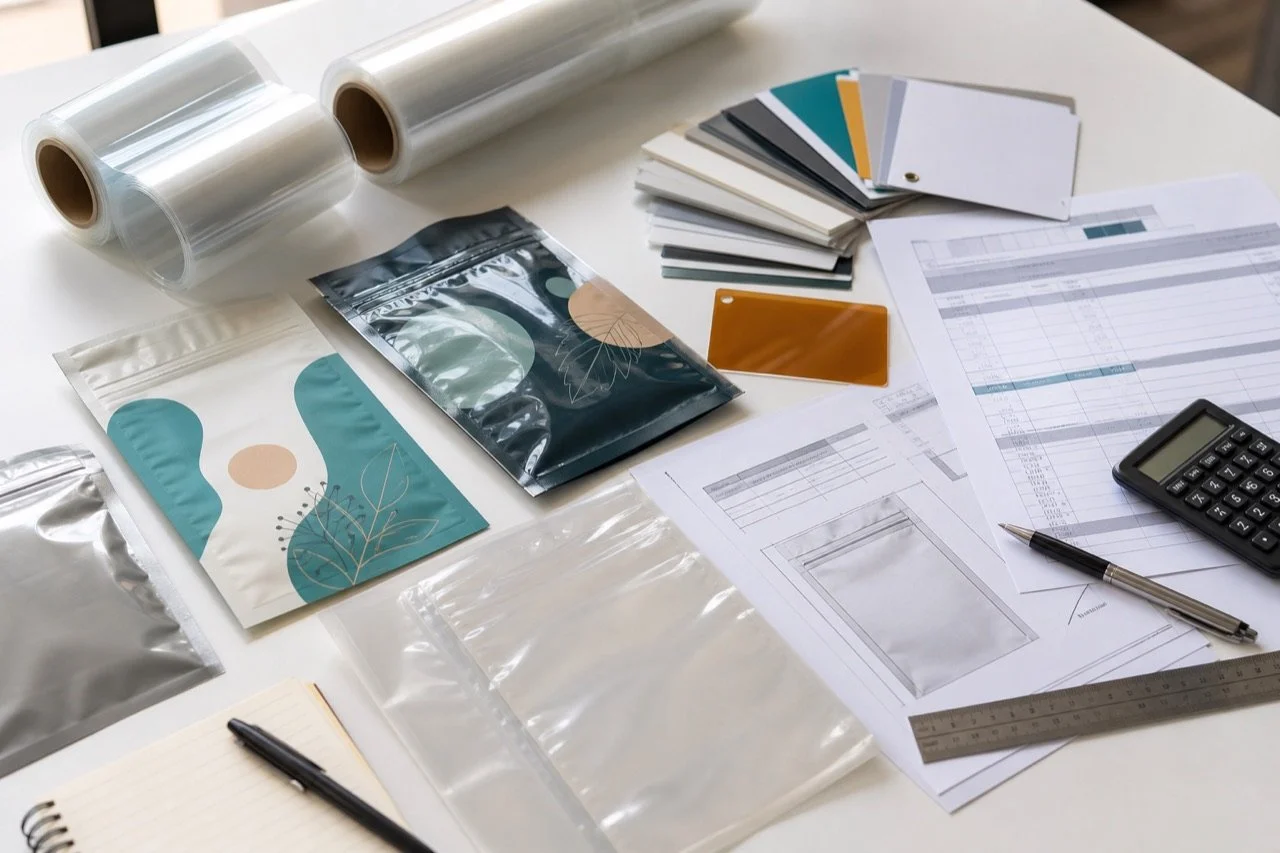
Before confirming PE film or CPP film, check:
Product application is clearly defined
Packing machine requirements are known
Film thickness is confirmed
Material structure is written in the quote
Printing method is confirmed
Roll direction is confirmed
Samples are reviewed
MOQ is clear
Lead time is clear
Quality control expectations are discussed
Reorder reference sample is kept
Compliance claims are documented, if relevant
Where Jecpack Fits
Jecpack works as an integrated flexible packaging manufacturer for global B2B buyers. For buyers comparing PE film, CPP film, and other flexible packaging structures, Jecpack can help review application details, printing requirements, sample needs, and production expectations before order confirmation.
FAQ
Is PE film better than CPP film?
Not always. PE film and CPP film serve different packaging needs. The better choice depends on product type, sealing method, packing machine, appearance target, and budget.
Can PE film and CPP film both be printed?
They may both be printable depending on film treatment, ink system, and printing method. Confirm with the packaging supplier before production.
Which film is cheaper, PE or CPP?
Cost depends on grade, thickness, order quantity, printing method, and market conditions. Buyers should compare quotes using the same specification.
Should I request samples before choosing PE or CPP film?
Yes. Samples help confirm film feel, clarity, stiffness, print appearance, and packing compatibility.
What should I ask a supplier before choosing film?
Ask about material structure, thickness, sealing method, printing compatibility, MOQ, lead time, sample approval, and quality control.