Mono-Material Flexible Packaging: Buyer Guide for 2026
Recyclable packaging sounds simple until the material structure reaches the packing line.
Many people now ask suppliers for mono-material flexible packaging because they want packaging that is easier to discuss in recyclability programs and future compliance conversations. But mono-material does not automatically mean suitable, compliant, recyclable in every market, or ready for every product.
For procurement teams and growing brands, the practical question is this: can the packaging still protect the product, print well, seal reliably, and run through the packing process?
Key takeaway: mono-material flexible packaging should be evaluated as a production specification, not just a sustainability label.
What Is Mono-Material Flexible Packaging?
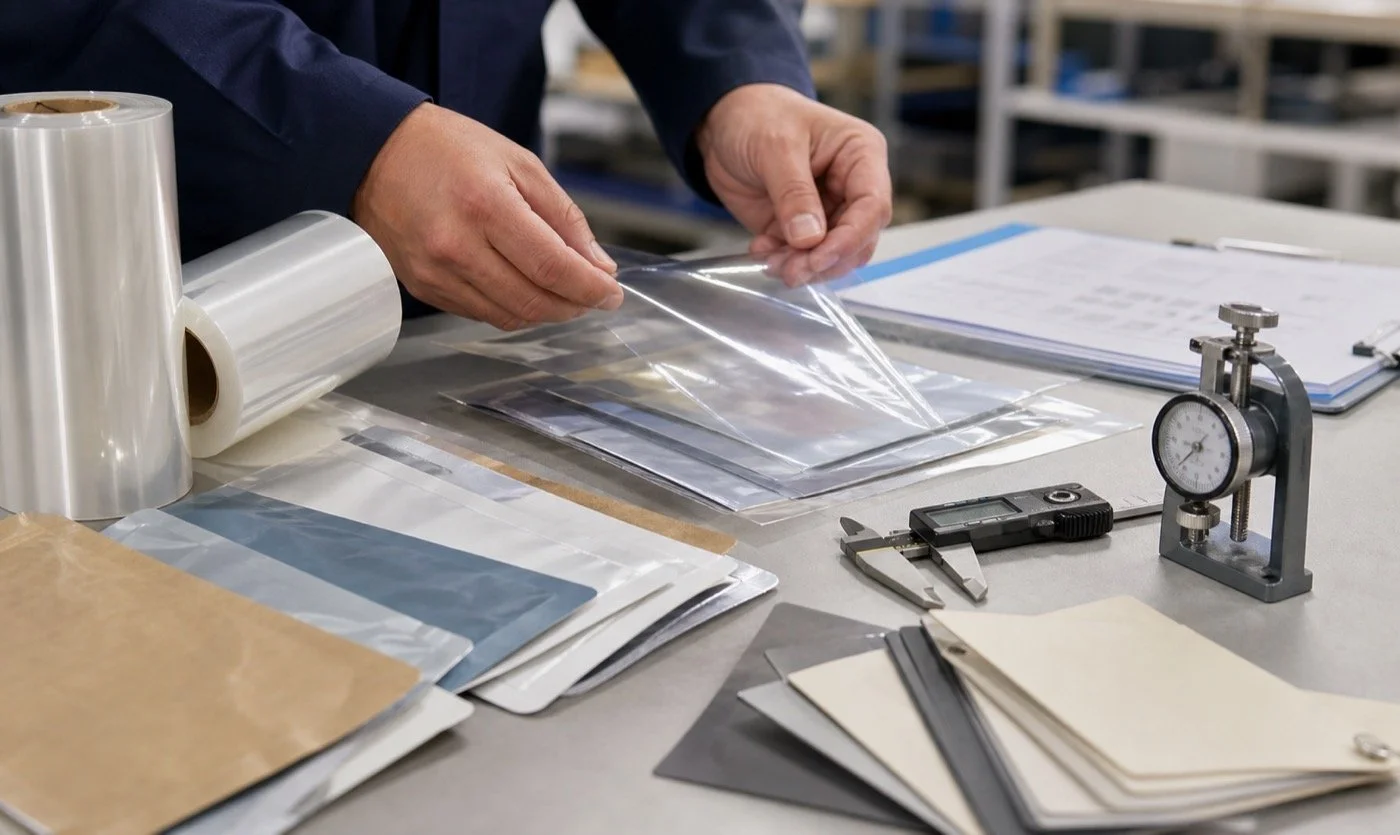
Mono-material flexible packaging is designed mainly from one polymer family, such as PE-based or PP-based structures, instead of combining several different material types.
The goal is usually to make the package easier to sort, recycle, or discuss with recyclability programs. Actual recyclability still depends on local recycling infrastructure, package design, inks, adhesives, labels, closures, and verification method.
Why Buyers Are Asking About Mono-Material Packaging
Mono-material packaging is becoming more important because buyers face pressure from:
EPR programs
Retailer packaging requirements
Brand sustainability targets
Export market documentation
Consumer scrutiny of green claims
Packaging reduction goals
For international buyers, the trend is not only about material choice. It is about documentation, traceability, and being able to explain why a packaging structure was selected.
Mono-Material Flexible Packaging Is Not Always a Drop-In Replacement
Switching from a traditional laminate to a mono-material structure can affect:
Sealing behavior
Film stiffness
Barrier performance
Print appearance
Roll winding
Packing machine speed
Puncture resistance
Shelf presentation
This does not mean mono-material packaging is a bad choice. It means buyers should test it properly before bulk production.
What Buyers Should Confirm Before Ordering
Before approving mono-material flexible packaging, ask the supplier:
What is the full material structure?
Is it PE-based, PP-based, or another structure?
What thickness is recommended?
Will it run on my packing machine?
Is it suitable for gravure or flexographic printing?
Can we review samples before mass production?
What MOQ applies to this structure?
What documentation can be provided?
What claims are supported by evidence?
Mono-Material PE Film Packaging
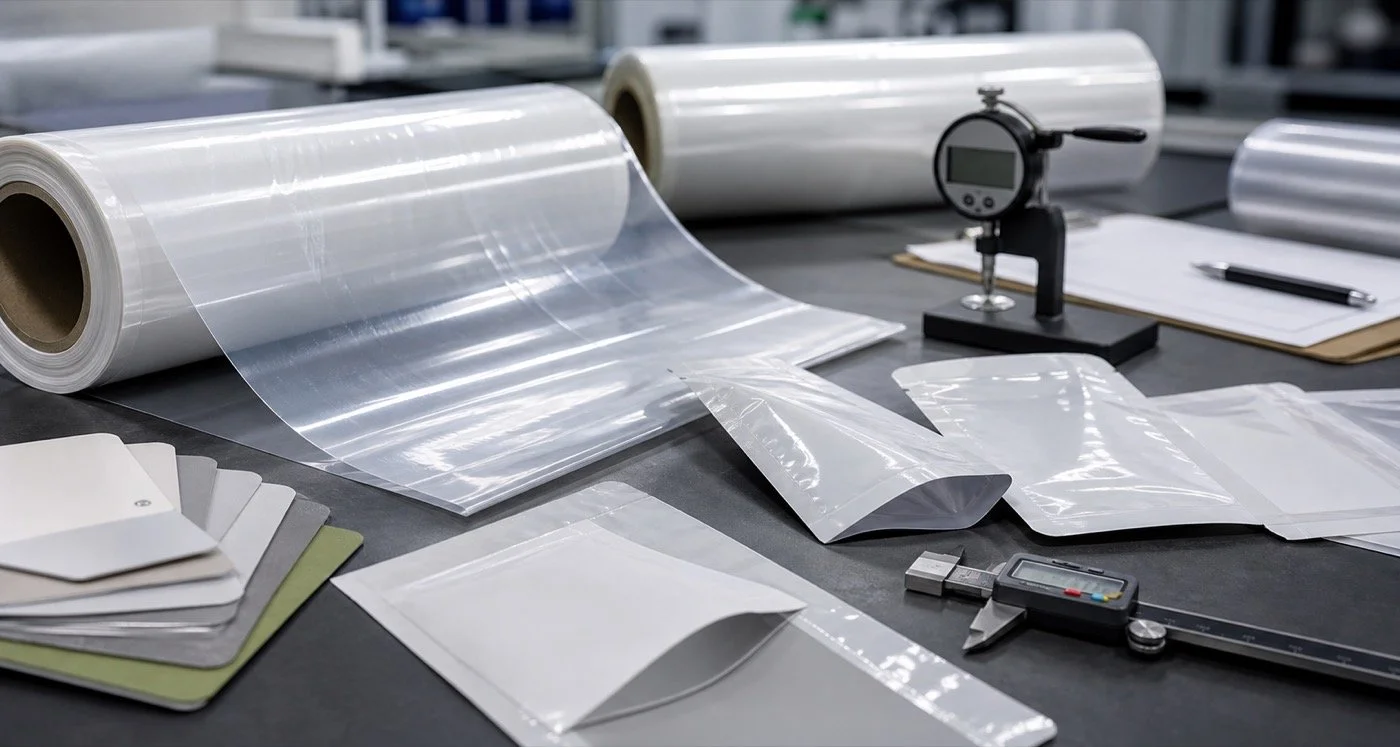
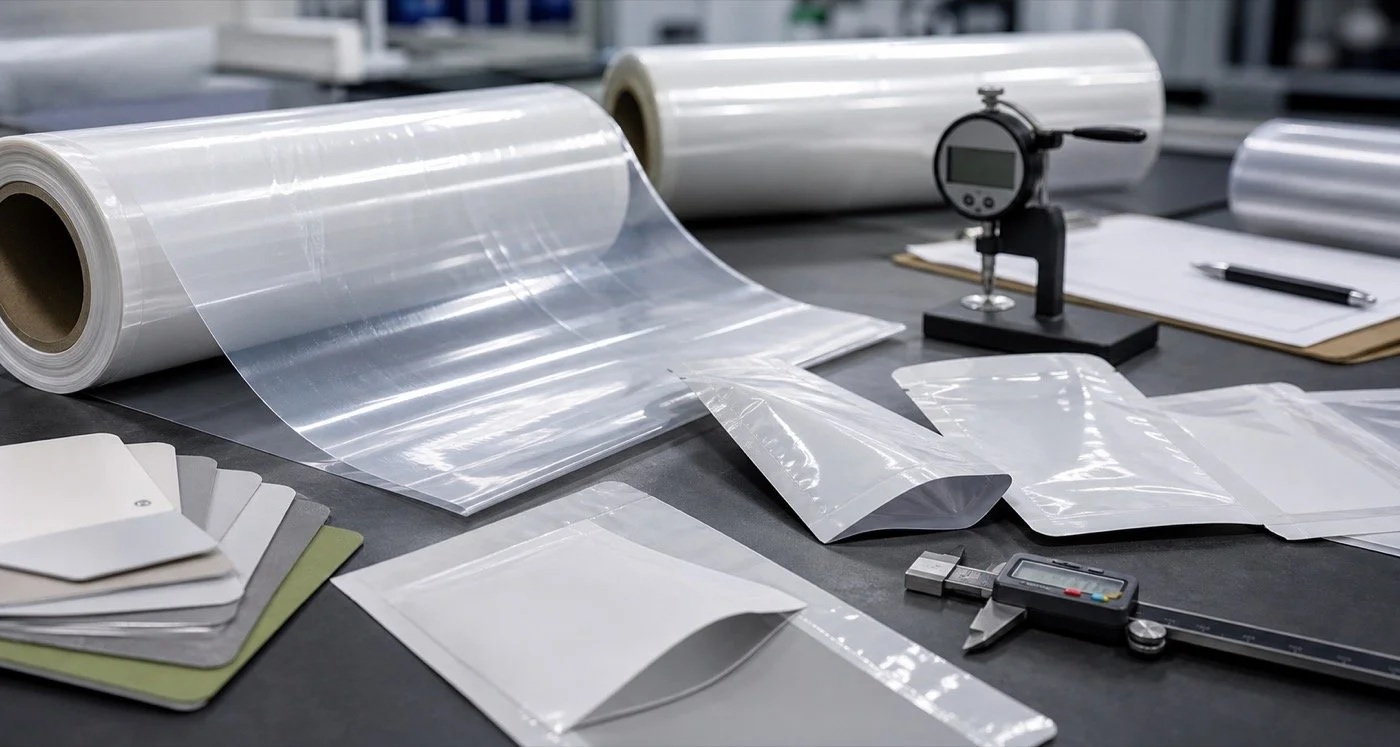
PE-based flexible packaging is often discussed for recyclable packaging projects. It may be relevant for roll film, tissue packaging, hygiene packaging, shrink film, or other custom flexible packaging formats.
However, buyers should not approve PE film based only on the word "recyclable." The supplier should connect the film recommendation to the product, machine, print method, and final packing condition.
Printing and Color Control
Custom printed mono-material packaging still needs practical print control.
Confirm:
Printing method
Color reference
Ink compatibility
Surface treatment
Artwork approval
Barcode readability
Repeat order color target
For brand owners, print consistency can be just as important as material selection.
Buyer Checklist
Use this checklist before placing an order:
Product application confirmed
Material structure written in the quote
Thickness confirmed
Printing method confirmed
Roll direction confirmed
Samples reviewed
Packing machine compatibility checked
MOQ and lead time clear
Recyclability claims verified
Supporting documents requested
Expert Insight
Mono-material packaging is strongest when the supplier treats it as a full packaging project. If the discussion stops at "this is recyclable," the buyer still has too much risk.
Ask for the structure, samples, print plan, and documentation.
Jecpack helps B2B buyers review flexible packaging specifications before production, including material structure, PE film options, thickness, printing requirements, roll direction, samples, and quotation details.
If you are exploring mono-material flexible packaging, send us your product details, target pack size, artwork, order quantity, and packing method. We can help you check the practical points before moving to bulk production.